Archives
- 2026-08
- 2026-07
- 2026-06
- 2026-05
- 2026-04
- 2026-03
- 2026-02
- 2026-01
- 2025-12
- 2025-11
- 2025-10
- 2025-09
- 2025-03
- 2025-02
- 2025-01
- 2024-12
- 2024-11
- 2024-10
- 2024-09
- 2024-08
- 2024-07
- 2024-06
- 2024-05
- 2024-04
- 2024-03
- 2024-02
- 2024-01
- 2023-12
- 2023-11
- 2023-10
- 2023-09
- 2023-08
- 2023-07
- 2023-06
- 2023-05
- 2023-04
- 2023-03
- 2023-02
- 2023-01
- 2022-12
- 2022-11
- 2022-10
- 2022-09
- 2022-08
- 2022-07
- 2022-06
- 2022-05
- 2022-04
- 2022-03
- 2022-02
- 2022-01
- 2021-12
- 2021-11
- 2021-10
- 2021-09
- 2021-08
- 2021-07
- 2021-06
- 2021-05
- 2021-04
- 2021-03
- 2021-02
- 2021-01
- 2020-12
- 2020-11
- 2020-10
- 2020-09
- 2020-08
- 2020-07
- 2020-06
- 2020-05
- 2020-04
- 2020-03
- 2020-02
- 2020-01
- 2019-12
- 2019-11
- 2019-10
- 2019-09
- 2019-08
- 2019-07
- 2019-06
- 2019-05
- 2019-04
- 2018-07
-
Cysteine protease activities have been suggested to
2020-07-07
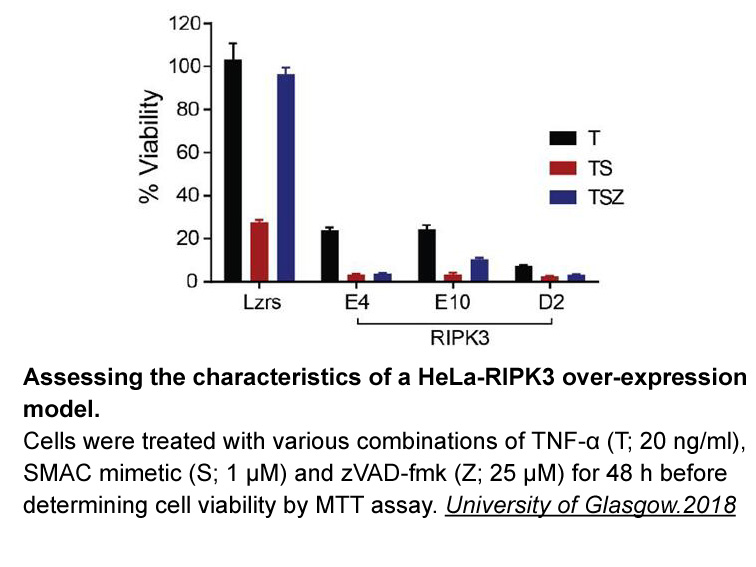
Cysteine protease activities have been suggested to be important for Giardia’s pathogenesis [[11], [12], [13],16,18,19,21,28,29,35]. Recently several giardial CPs were shown to be released during host cell interactions [9,10]. The three major released CPs have recently been shown to be involved in t
-
The murine subfamily members including and have been
2020-07-06
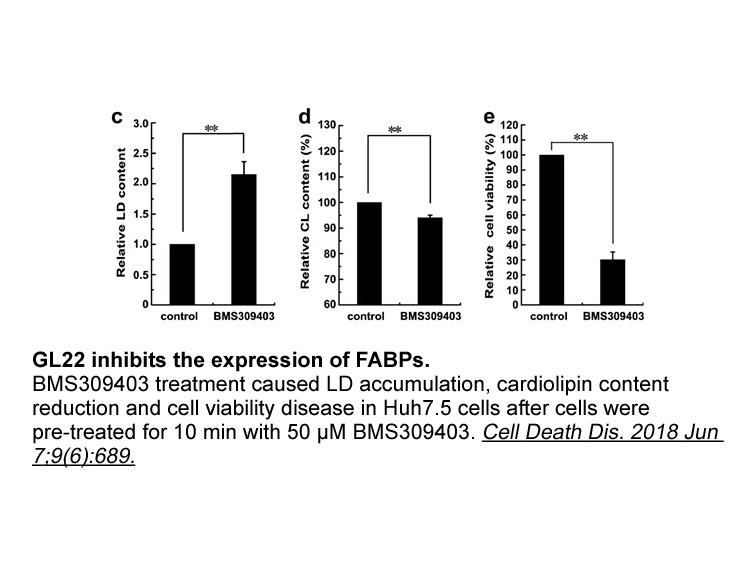
The murine subfamily members including , , , and have been identified and their encoded proteins showed deubiquitinating enzymatic activity , , , . It has been demonstrated that is an immediate-early gene induced by IL-3 in B-lymphocytes and is an IL-2 specific immediate-early gene in T-lymphoc
-
Because of the complexity of DNA
2020-07-06
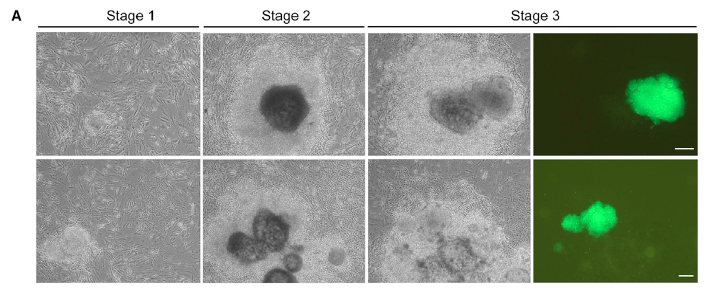
Because of the complexity of DNA damage and its repair, several pathways are candidates in HN2-induced DPC repair. Considering the 23kDa molecular weight of MGMT, NER may be ineffective for MGMT-adduct removal. This presumption is supported by that the mRNA level of ERCC1, a core gene in NER pathway
-
The most significant source of DAG originates from
2020-07-06
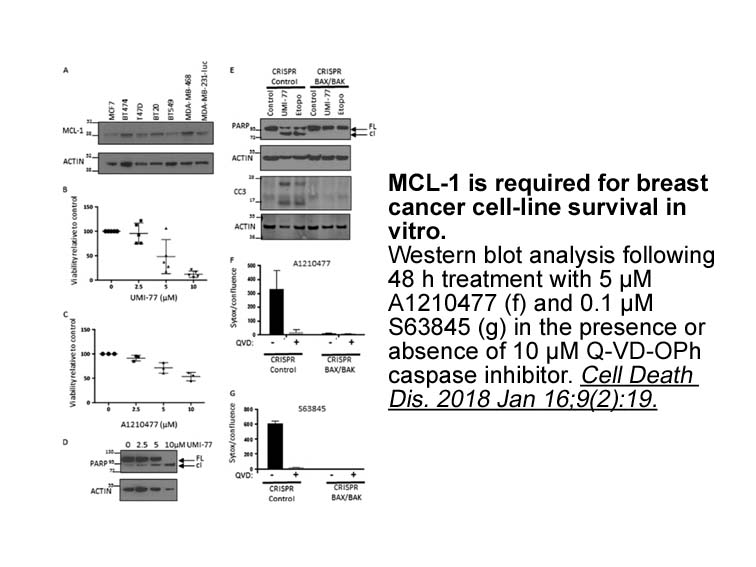
The most significant source of DAG originates from the PLC family of enzymes, which produces DAG in an agonist-regulated reaction. PLCs constitute a wide family of enzymes acting on both phosphatidilinositols (PI) and phosphatidilcoline (PC) (Li et al., 2010) in the plasma membrane and other intrace
-
Films treated with Diaz ES VWFIIINle but
2020-07-06
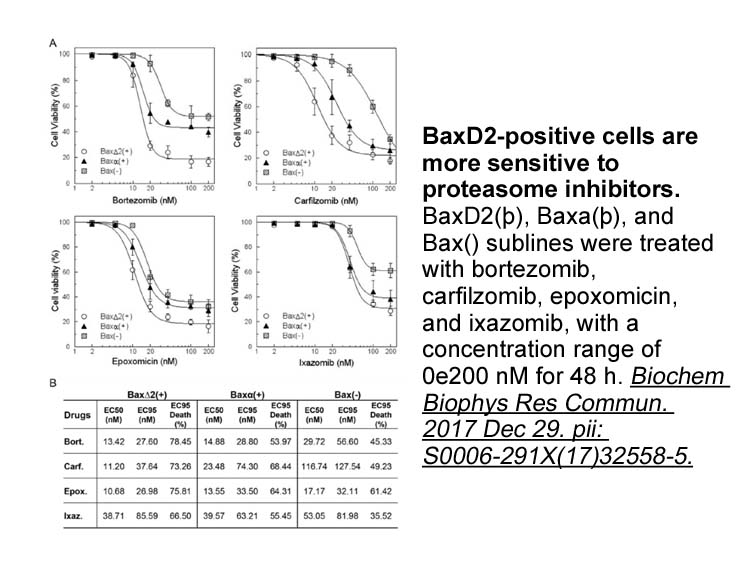
Films treated with Diaz-ES-VWFIIINle but not exposed to UV light supported only slight platelet deposition, suggesting that passively-bound peptides were removed under shear. However, treatment with Diaz-ES-VWFIIINle and UV restored platelet surface coverage to about 50% of the level on native colla
-
We neither observed changes in
2020-07-06
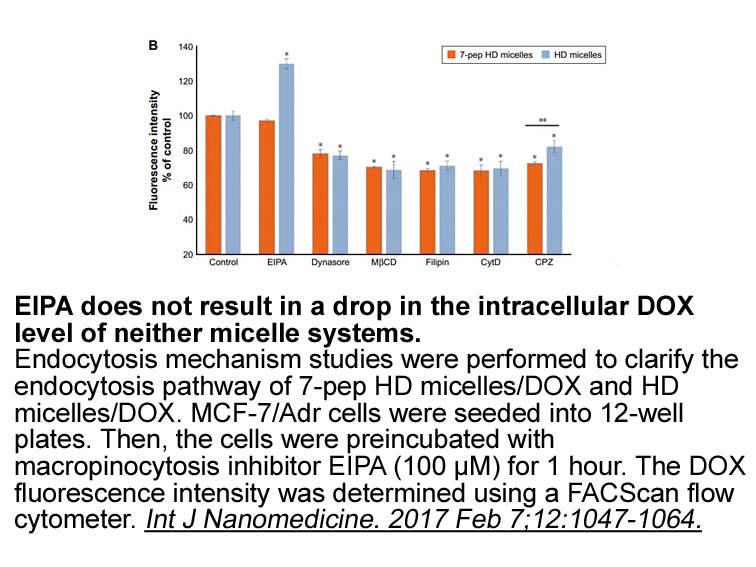
We neither observed changes in midazolam eCLmet indicative of significant inhibition of CYP3A4/5 during both experiments, despite the in vitro evidence for CYP3A4/5 inhibition (Theile et al., 2017). The observed increase in CYP3A dependent midazolam clearance after chronic ingestion of clementines/c
-
br Materials and methods br Results and discussion br Conclu
2020-07-06
Materials and methods Results and discussion Conclusions In this study, we have investigated the possibility that hierarchical phosphorylation by CK2 may play a role in cellular signal transduction. Hierarchical phosphorylation by CK2 requires multiple consensus determinants with specific s
-
NVP-CGM097 sale br Conclusion and future perspectives LDL ch
2020-07-06
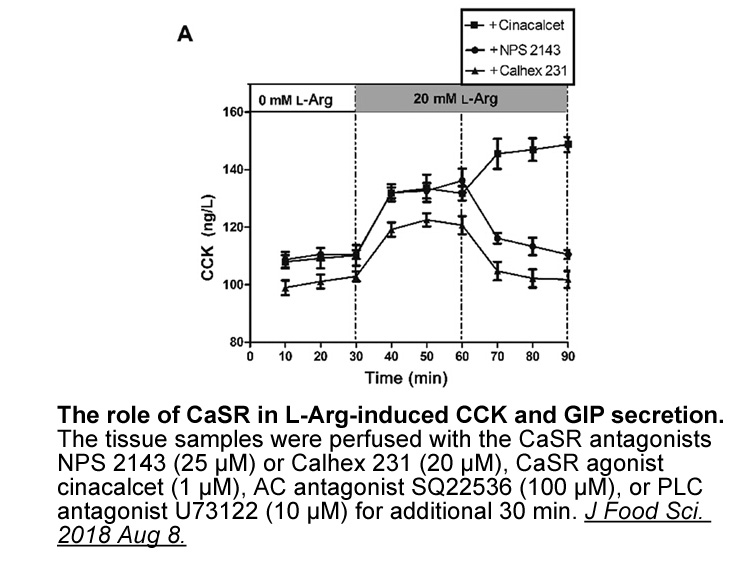
Conclusion and future perspectives LDL cholesterol-lowering therapy is essential for cardiovascular risk reduction. On the background of a high inter-personal variation of cholesterol synthesis and cholesterol NVP-CGM097 sale the efficacy of cholesterol lowering, both, with statins and with ezet
-
Ro3280 In silico modelling studies might aid our understandi
2020-07-06
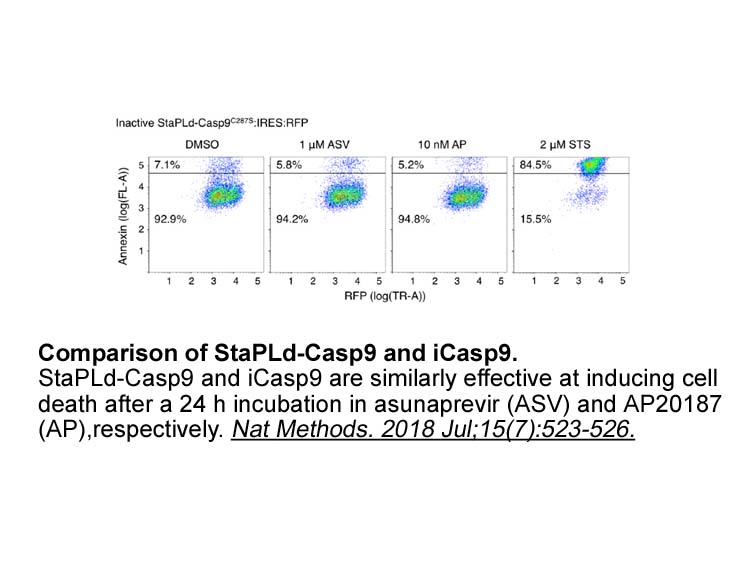
In silico modelling studies might aid our understanding of the functionality and potential biological activity of food and, in the long-term they might underpin the development of personalised diets to reduce health risks and help us to better understand pharmaceutical/food interactions. Acknowle
-
A French cohort study reported that
2020-07-06
A French cohort study reported that micronized progesterone or didrogesterone used with oral or percutaneous estradiol showed no increase or decrease in the risk of breast cancer compared to synthetic progestins for at least 4 years of treatment [22] and even after 8 years [23]. Although the results
-
RNA seq results also support the similarity between ESC and
2020-07-06
RNA-seq results also support the similarity between ESC- and YS-derived B-1 progenitors. Bmi1 expression, known as an important gene for self-renewal ability in stem cells, was reduced in ESC-derived B cells compared with YS-derived B cells, and Bmi1 overexpression improved the engraftment of ESC-de
-
Other studies have investigated the role of
2020-07-06
Other studies have investigated the role of HDAC inhibitors in particular signaling pathways mediated by EWS–FLI1 (Matsumoto et al., 2001). A recent investigation, showed a physical association of EWS–FLI1 and HDAC1 that helps mediate a disruption in the p53 activation of downstream targets (Li et a
-
The sixth affected individual individual is a year old femal
2020-07-03
The sixth affected individual (individual 6) is a 35-year-old female who presented with a complex combination of congenital and acquired symptoms. She was born to healthy, unrelated parents with an unremarkable family history, apart from the presence of polycystic kidney disease in her father and pa
-
br Materials and methods br Results br Discussion In general
2020-07-03
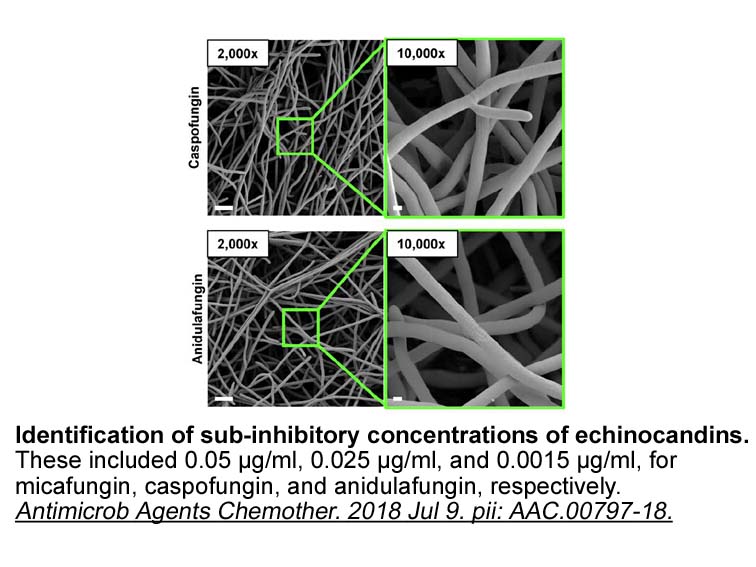
Materials and methods Results Discussion In general, CI symptoms are often visible only after the chilled products have been removed from coolstore to a warmer temperature (Schirra and Cohen, 1999). However, in the present work, \'satsuma’ mandarin fruit stored at 2°C showed chilling sympto
-
As one of the two receptors for the
2020-07-03
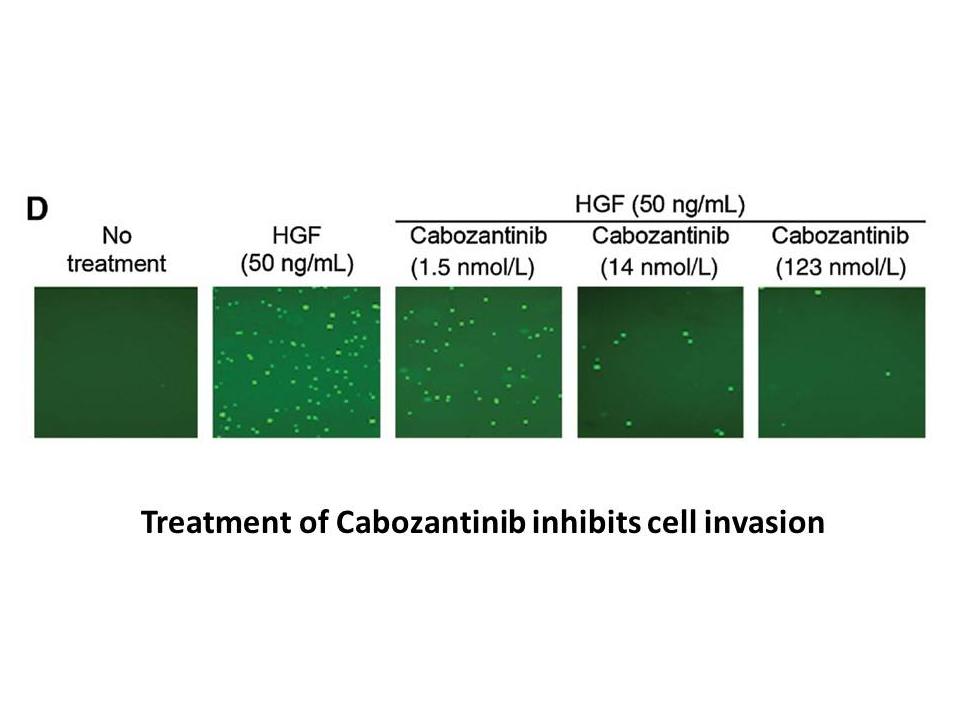
As one of the two receptors for the primordial chemokine CXCL12, ACKR3 exists in jawless fish (Bajoghli, 2013, Nomiyama et al., 2011, Venkatesh et al., 2014). The sea lamprey genome contains two copies of the ACKR3 gene (Ensembl Acc. Nos.: ENSPMAP00000011187 and ENSPMAP00000011401) (Table 1), both e
16459 records 860/1098 page Previous Next First page 上5页 856857858859860 下5页 Last page